

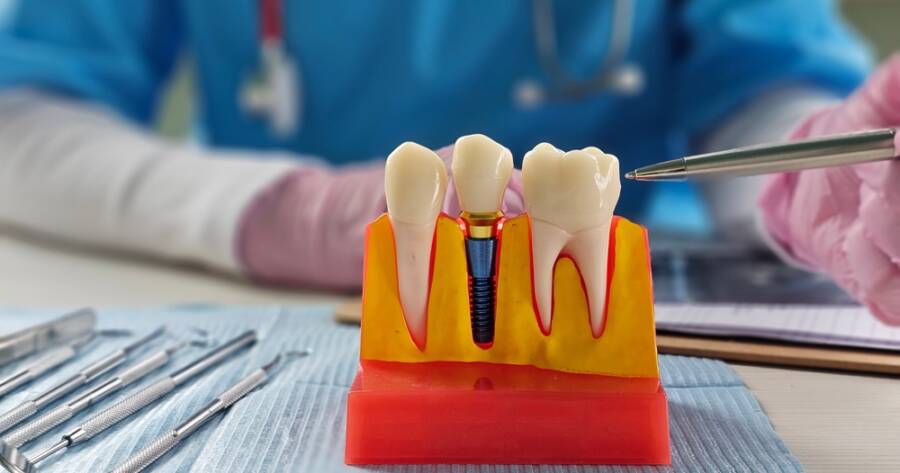
Dental implants present a lasting solution for missing teeth, offering both aesthetic and functional advantages over traditional methods. Knowing cost considerations, financing options, and numerous benefits of dental implants can guide individuals toward informed decisions about their oral health. Understand how dental implants can transform smiles and enhance quality of life.
What Dental Implants Can Cost
The total price of an implant depends on the number of missing teeth, the restoration being used, treatment complexity, and whether additional procedures are necessary. A single-tooth implant can cost several thousand dollars, while treatment involving multiple implants or a larger restoration can be considerably more expensive. Bone grafting, extractions, imaging, and other preparatory work can add to the final bill (source).
When requesting an estimate, ask what the quoted price actually includes. The implant fixture, abutment, crown, surgical procedure, scans, follow-up appointments, and preparatory treatments may not always be bundled together. Insurance coverage also varies, so comparing expected out-of-pocket expenses is more useful than relying on an advertised starting price.
What You Get for the Higher Price
Implants are anchored into the jaw rather than resting on the gums or depending on neighboring teeth for support. Once treatment is complete, they can provide stable support for replacement teeth and restore important functions such as chewing. They can also help preserve bone in the area of a missing tooth and support the stability of surrounding teeth (source).
Those advantages can make the higher initial expense worthwhile for patients seeking a fixed tooth-replacement option. However, implants are not automatically superior for every person. Bridges and removable dentures remain legitimate alternatives, and the best choice depends on factors such as the number and location of missing teeth, oral health, available bone, medical history, preferences, and budget.
Consider Longevity and Ongoing Maintenance
One reason people consider implants despite their cost is their potential longevity. The implant itself may remain functional for many years when treatment is successful and oral health is maintained. That can make the expense easier to justify when compared with restorations that may require replacement or adjustment over time.
Implants should not be viewed as maintenance-free or as a guaranteed one-time expense. Regular brushing, interdental cleaning, professional dental care, and monitoring remain important after treatment. Restorative components can wear or require attention, and problems with the surrounding gums or bone can threaten an otherwise successful implant (source).
Weigh the Risks and Possible Additional Costs
Implant placement involves surgery, so the financial decision should also account for potential complications. Possible problems can include infection, injury to nearby structures or nerves, insufficient healing, loosening, or implant failure. Some patients also need additional procedures before an implant can be placed, increasing both treatment time and expense (source).
A comprehensive examination is therefore important before deciding that the treatment represents good value. Patients with inadequate bone, active gum disease, certain medical considerations, or other risk factors may require additional planning or may be better suited to another form of tooth replacement (source).
Financing Can Help, but Compare the Total Cost
Dental offices may offer payment plans or third-party financing to spread treatment costs over time. These arrangements can make a large expense more manageable, but monthly affordability is not the same as a lower overall price. Interest, financing charges, and repayment terms should be reviewed before signing an agreement.
Insurance may cover portions of some parts of treatment depending on the plan, while other expenses may remain entirely out of pocket. Requesting written treatment plans from qualified providers can make it easier to compare costs, proposed procedures, materials, and financing rather than choosing solely on the lowest advertised price.
So, Are Dental Implants Worth the Cost?
For many suitable patients, dental implants can justify their higher upfront price because they provide a stable, fixed replacement for missing teeth and can deliver functional and oral-health benefits over the long term. Their value tends to be strongest when a patient is a good candidate, expects to maintain the implant carefully, and prioritizes stability and long-term function.
They are not automatically worth the cost for everyone. Budget limitations, surgical risks, extensive preparatory treatment, health considerations, or satisfactory alternatives may change the calculation. The most useful comparison is therefore not simply implants versus their price, but implants versus the total cost, maintenance, benefits, and compromises of the other realistic options available to you.