

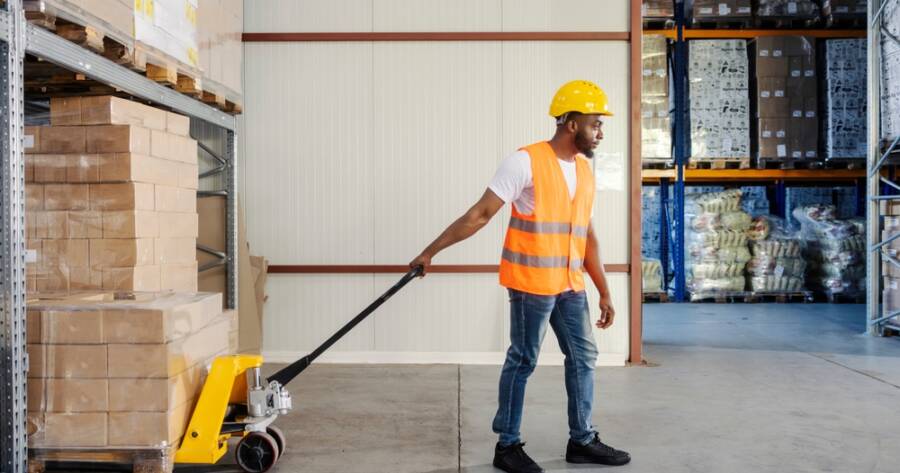
Warehouse jobs play a vital role in keeping supply chains running smoothly, especially as online shopping continues to expand. From packing orders to managing inventory and operating specialized equipment, warehouses rely on a wide range of roles. Understanding how each position contributes to daily operations can help job seekers identify opportunities and build valuable skills.
The Growing Demand for Warehouse Jobs
The rise of online shopping and home delivery services has significantly increased the demand for warehouse workers. This surge has led to higher pay and more job opportunities across the country, making warehouse jobs a stable and lucrative career choice. The distribution and fulfillment industry is experiencing rapid growth, which is reflected in the variety of roles available within warehouses (source).
Understanding the Varied Roles in Warehouses
Warehouse roles vary widely, each with specific responsibilities and skill requirements. Common positions include Warehouse Associate, Warehouse Loader, Warehouse Clerk, General Laborer, Shipping & Receiving Associate, Warehouse Material Handler, Forklift Driver, and Warehouse Machine Operator. Each role contributes uniquely to the overall productivity and safety of the warehouse (source).
Warehouse Associates are versatile workers who perform various tasks such as inventory management, item labeling, and invoice processing. They require physical fitness, organizational skills, and effective time management to keep operations running smoothly. On the other hand, Warehouse Loaders focus on packing items for safe transportation, requiring a strong understanding of safety protocols, physical strength, and basic computer skills for tracking shipments (source).
Key Responsibilities and Skills
Responsibilities and required skills will vary by position. Warehouse Clerks, for example, handle communication with customers and staff to ensure accurate order processing. They need strong communication, customer service, and computer skills, along with attention to detail. General Laborers in warehouses perform a variety of tasks, making it an ideal role for those with diverse skills or experience. Flexibility and attention to detail are crucial for adapting to changing tasks (source).
Shipping & Receiving Associates, on the other hand, ensure accurate processing of incoming and outgoing shipments, requiring skills in data entry, record keeping, and teamwork. They also often collaborate with warehouse clerks to manage orders. Further, Warehouse Material Handlers are responsible for moving and restocking inventory, often using manual and electric loading equipment. Attention to detail and equipment operation skills are essential (source).
Specialized Roles and Technological Integration
Some positions require specialized training and licensing. Forklift Drivers, for example, require specialized training and licensing to safely operate forklifts for moving inventory. They must prioritize safety and possess strong organizational and communication skills. Warehouse Machine Operators use various equipment to manage inventory movement within the facility. They need to follow instructions carefully and maintain a safety-first mindset (source).
Technology also plays a crucial role in modern warehouse operations. The integration of tools like Extensiv can enhance efficiency and productivity, which is particularly relevant for warehouses looking to modernize their operations (source). Employees need to adapt to technological advancements in their roles to stay competitive in the industry.
Why You Should Learn More About Warehouse Jobs Today
Understanding the varied roles in warehouse jobs is essential for both job seekers and employers. For job seekers, it provides a clear path for career growth and development. For employers, it helps in allocating resources effectively, reducing errors, and improving performance.
As the industry continues to grow, staying informed about the different roles and responsibilities can lead to better job opportunities and a more efficient workforce. With the integration of technology and the increasing demand for skilled workers, now is the perfect time to explore the diverse opportunities within the warehouse industry.